
Can a Microbial Metabolite Extend Health and Lifespan? The Butyrate–Mitochondria Connection
We are pleased to announce that Dr. Enrique Gabandé Rodríguez, from CBM Severo Ochoa, Spain, will join 13th World Congress on Targeting Microbiota - ISM 2026 as a speaker.
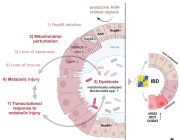
Mitochondrial dysfunction is increasingly recognized as a hallmark of aging, and studies of mitochondrial diseases have provided valuable insights into the mechanisms underlying the aging process. These diseases progressively lead to multisystem dysfunction, while effective treatment options remain extremely limited. To investigate strategies to alleviate the consequences of mitochondrial dysfunction, we first generated a ubiquitous, tamoxifen-inducible knockout mouse model of mitochondrial transcription factor A (TFAM), which develops progressive multisystem dysfunction resembling accelerated aging. These mice exhibit widespread organ dysfunction, including lipodystrophy, sarcopenia, metabolic alterations, kidney failure, neurodegeneration, and locomotor impairment, ultimately leading to premature death. Surprisingly, we found that these mice also develop intestinal barrier disruption and gut dysbiosis, accompanied by reduced levels of microbiota-derived short-chain fatty acids (SCFAs), particularly butyrate. Similar alterations were observed in an independent mouse model of mitochondrial dysfunction, the mtDNA-mutator mice, suggesting that impaired butyrate production may be a common feature of mitochondrial dysfunction. To investigate the therapeutic potential of restoring this metabolic axis, we transferred microbiota from healthy control mice or administered tributyrin, a butyrate precursor, to iTfamKO mice. Both interventions delayed multiple features of multimorbidity and extended lifespan. Mechanistically, butyrate supplementation restored epigenetic histone acylation marks that were reduced in the intestine of TFAM-deficient mice. Overall, our findings highlight the importance of preserving host–microbiota metabolic symbiosis in mitochondrial dysfunction and identify the microbiota–butyrate axis as a potential therapeutic target for mitochondrial and age-associated diseases.